
How to Reduce the Risk of Writing off Unpaid Invoices
Quick answer: You avoid bad debts by controlling risk before, during, and after you extend credit — set clear terms, credit-check every new customer, invoice and follow up promptly, resolve disputes fast, and escalate quickly when an account goes delinquent. No business can eliminate bad debt risk entirely, but following the ten practices below significantly lowers how often you write off unpaid invoices.
Extending credit to customers always carries some risk of nonpayment. Credit insurance can offset that risk, but it typically costs around 0.25 cents per dollar of insured sales — so preventing bad debt in the first place is usually cheaper than insuring against it.
What Is Bad Debt?
Bad debt is money owed to a business by a customer that the business determines it can no longer collect and must write off as a loss. It typically results from unclear credit terms, slow collections, unresolved disputes, or extending credit to customers who can’t pay.
10 Ways to Avoid Bad Debts
1. Set Clear Credit Terms
State your credit terms in writing before a customer opens an account, and repeat them on every invoice, statement, and your website. Include any late-payment interest or early-settlement discounts. Terms you haven’t clearly communicated are terms you can’t enforce.
2. Credit-Check Every New Customer
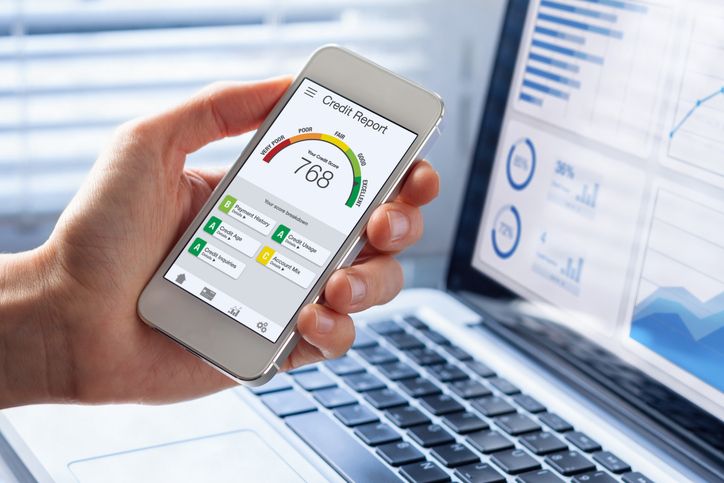
Run a credit check before extending credit to any new customer, consumer or business. For B2B accounts, also request trade references. Start new customers with a low credit limit and raise it only after they’ve established a payment track record.
3. Send Invoices and Statements Promptly
Invoice as soon as payment is due, and follow up the moment an invoice becomes overdue. Customers facing cash pressure pay whoever asks first. Being early with invoices and follow-up puts you ahead of the line.
4. Put Delinquent Accounts on Hold Immediately
The moment a payment problem is clear, place the account on hold and consider lowering the credit limit for repeat late payers. Acting fast keeps the amount at risk small, and smaller balances are easier to collect.
5. Resolve Disputed Invoices Quickly
A single unresolved dispute can delay payment of an entire account. Investigate customer disputes right away, and consider a partial refund to settle the bulk of the invoice if that resolves the disagreement faster than a drawn-out negotiation.
Related: How to Prevent Invoice Disputes Delaying Payment of AR Accounts
6. Enforce Consistent Collection Tactics
Apply your credit terms consistently, even with valued customers — inconsistent enforcement teaches customers they can pay late. Contact late-paying customers as soon as they’re overdue, and follow through on any consequence you threaten, such as a hold or legal action.
7. Learn Each Customer’s Payment Cycle
Many businesses pay vendors on a fixed schedule — end of month, or 30 days after invoice date. Understanding a customer’s normal payment cycle helps you spot trouble early and time collection calls around their payment runs, especially with large enterprise customers.
8. Adjust Terms for Late Paying Customers
Credit is a privilege you extend, not a right customers hold. For customers who repeatedly pay late, reduce their credit limit, add late fees, or withdraw existing discounts. The goal is reducing your exposure while giving the customer a reason to pay on time.
Related: 10 Tips for Determining B2B Customer Credit Terms
9. Bring in Professional Help When Needed
If your own collection efforts stall, escalate to a business lawyer or collection agency. A lawyer’s letter is often enough to prompt payment; if not, a collection agency becomes the next step. At this stage, the goal shifts to recovering as much of the debt as possible rather than the full invoice value.
10. Negotiate a Settlement When it Makes Sense
A customer with a clean payment history can still hit a cash flow problem. In these cases, a negotiated payment plan often recovers more than insisting on immediate full payment — but only extend this if you trust the customer, and enforce the new terms strictly if they’re missed.
Key Takeaways
- Bad debt can’t be eliminated, only minimized.
- Clear, written, consistently enforced credit terms are the foundation of bad debt prevention.
- Speed matters at every stage: fast invoicing, fast dispute resolution, fast escalation on delinquent accounts.
- Credit is something a business grants and can withdraw — customers don’t have a right to it.
FAQ
What’s the fastest way to reduce bad debt risk? Credit-check new customers before extending terms, and put overdue accounts on hold or reduce their credit limit as soon as a payment problem appears.
Does credit insurance eliminate the need for these practices? No. Credit insurance can offset losses but typically costs about 0.25 cents per dollar of insured sales, and doesn’t address the root causes — unclear terms, slow invoicing, or poor collections — that lead to bad debt in the first place.
When should a business involve a collection agency? After internal collection efforts and a lawyer’s demand letter have failed to produce payment on a significantly overdue account.
Can a business recover cash flow while waiting on unpaid invoices? Yes — invoice factoring converts outstanding receivables into immediate working capital without taking on new debt, which is separate from, but complementary to, reducing bad debt risk.
Universal Funding is a nationwide invoice factoring solutions provider, offering invoice factoring, payroll funding, and purchase order financing to help growth-focused businesses access working capital without taking on new debt. Call 800-405-6035 or request a rate quote to learn more.